
“I live alone, and I’ve wondered who’d know if I fell.”
This book shows you how a watch, a pendant, or the phone you already own can call for help and share your location, even when you can’t reach it.
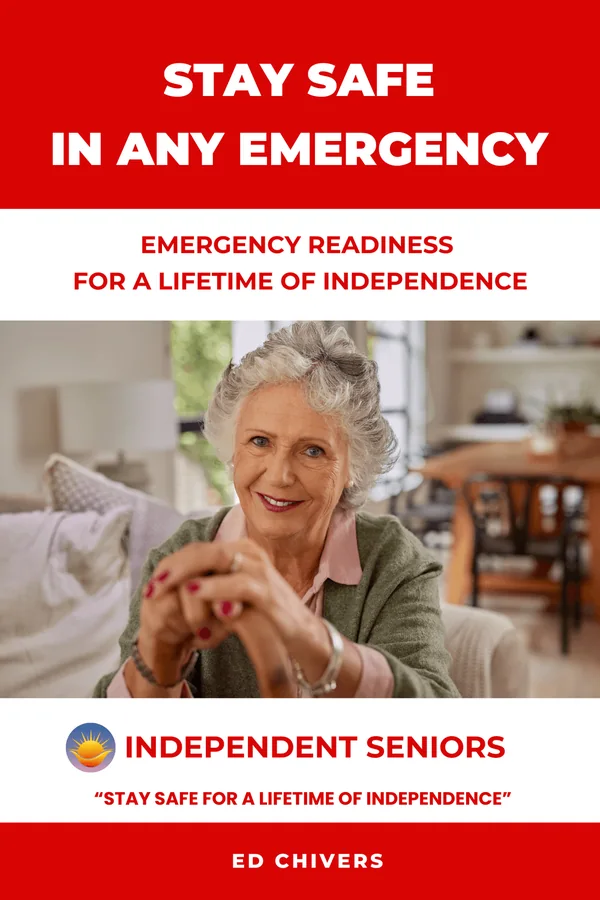
Book 1 · The Stay Safe Series · Available now
A plain-English guide to the technology that keeps you reachable: smartphones, smartwatches, smart rings, and medical alert devices, explained without the jargon. It also gives you the emergency numbers for wherever you or your family are. The aim is simple. Whatever happens, you can call for help, and someone will know.
From $9.99 · eBook, audiobook, paperback, or all three
If you need help right now, call 911 in the US or your local emergency number.
It probably is if one of these sounds familiar.
This book shows you how a watch, a pendant, or the phone you already own can call for help and share your location, even when you can’t reach it.
You’ll see how each kind of device works, what it costs, what it can’t do, and how to choose one that fits your life.
The book is written for the person who’ll wear the device, so it works best read together. There’s a gentle way to raise it further down this page.
My friend Phil fell at home. His phone was ten feet away, and he couldn’t reach it. He wasn’t found for six hours, and he never walked again.
The devices that could have called for help that day exist right now. Most of them fit on a wrist or in a pocket. This book explains them plainly: what a fall-detection watch does, how a medical alert works, which apps are worth setting up, and how to make sure they’re switched on before the day you need them.
It isn’t about being watched, and it isn’t about giving anything up. It’s about being reachable, on your own terms, wherever you are.
— Ed
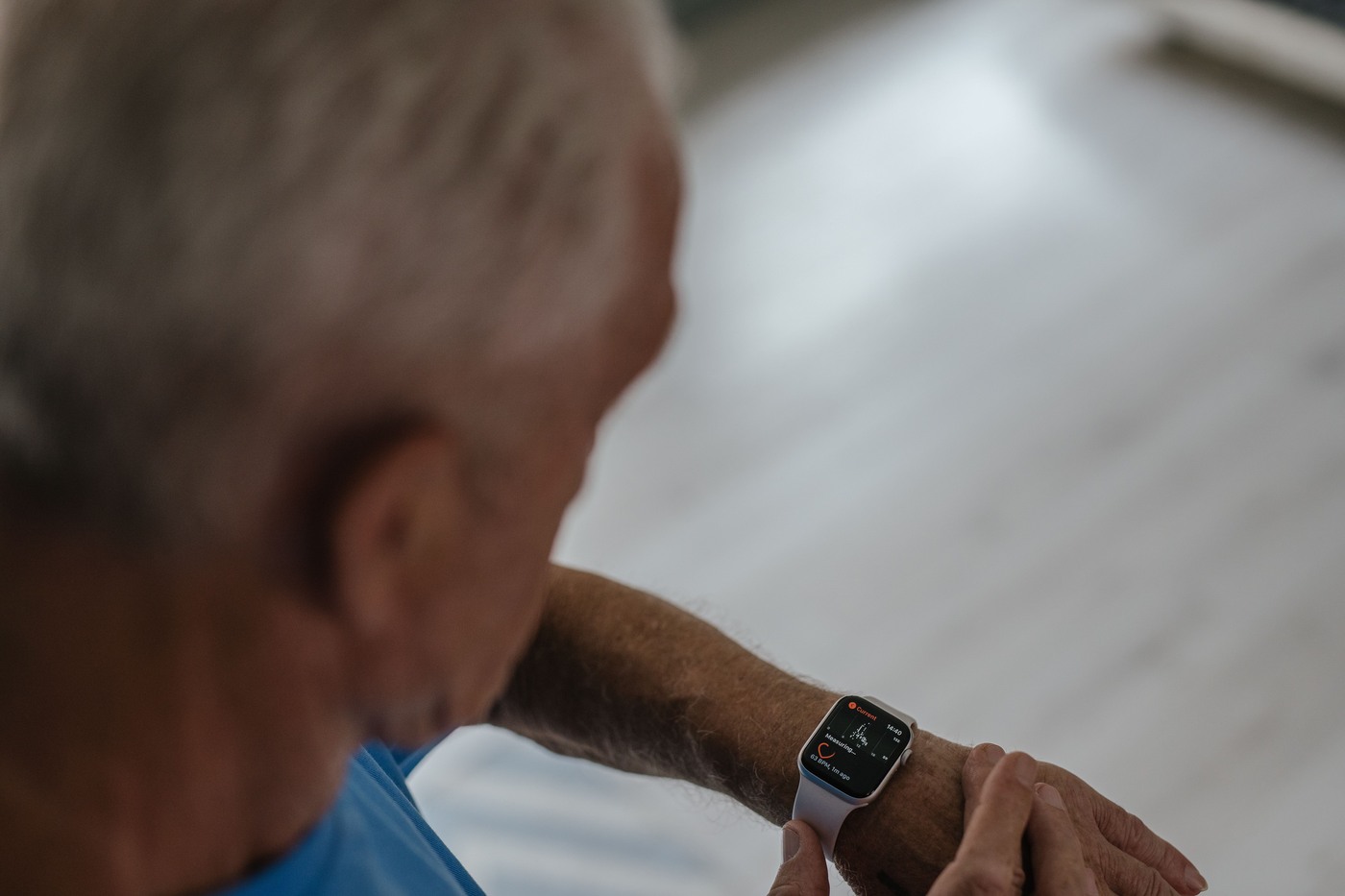
Every kind of “staying reachable,” explained simply. Each topic ends with a short checklist so you can act on it.
Fall and crash detection, SOS shortcuts, and location sharing, and how to set them up so they work when it counts.
Quiet, comfortable options for people who don’t want to wear a watch, plus tablets for staying in touch with family and calling for help.
Glucose monitors, heart-rhythm sensors, and seizure alerts: what they do, and where their limits are.
Screen readers, voice control, hearing-aid pairing, and magnification, built into the phone in your pocket.
The apps worth loading and setting up before you ever need them, in plain language.
A reference of emergency, poison, and crisis numbers for the US, with a companion booklet for other countries, so travel doesn’t catch you out.
Where this book names a product or app, it’s an example of a feature, not a recommendation. We don’t sell devices or take payment to feature them.
Every device in this book is covered with one rule in mind: none of it is a diagnosis. What these tools are good at is helping you notice, sooner and with better information, when it’s time to seek medical advice. The book makes that line clear, device by device, so you know what you’re getting and what you’re not.
Interactive checklists, guides and planners to fill in on screen, save and print. Each comes in a standard and a dyslexia-friendly edition, with every format of the book. The link to your download page arrives with your purchase.
Same book, same companion checklist, whichever way you like to read.
$9.99
EPUB, PDF, and Kindle. Download right away and make the text as large as you like.
Buy the eBookBest value
$24.99
eBook, audiobook, and paperback together.
Buy the Multi-Media PackSecure checkout via Stripe or PayPal. Taxes and any shipping are shown at checkout before you pay. Not right for you? Read the Refund Policy.
My Apple Watch saved my life when I fell and couldn’t get up. It called my daughter and sent my location — it’s like having a guardian angel on my wrist.
Quotes are readers’ own words, shared with their permission. Product names are theirs, not our recommendation. Experiences vary.
Every statistic and every “this works” statement in this book is checked against a credible, named source: government health and safety agencies, peer-reviewed research, and recognized aging organizations. The book ends with a Fact References chapter that lists the full citation for every figure. You don’t have to take our word for it. You can look it up. If we get something wrong, we fix it and say so.
The book’s Fact References chapter lists every source in full.
No. The book covers medical alert pendants and base units that work without a smartphone, as well as watches, rings, and phones. If you do have a phone, it shows you the free safety settings already built in.
No. It explains how each type works and what to look for, so you can choose what suits your life and budget. Where a product is named, it’s an example, not an endorsement.
The main reference covers the US. A companion booklet covers other countries, so you’re set when you travel or when family lives overseas.
Yes. The eBook lets you set any text size you like. The audiobook needs no reading at all.
Both. It’s written for the person who’ll use the device, in plain language, and it includes gentle ways to talk about it as a family.
Our Refund Policy sets out how we handle that. Read the Refund Policy, or contact us and we’ll help.
This book shares general safety information. It isn’t medical, legal, or financial advice. For advice about your own situation, talk with a qualified professional.
Choosing an alert device for someone else can be a delicate conversation. This book is written for the person who’ll wear it, so it works best read together, or handed over without a lecture. A good first step is our free one-page Fall-Risk Checklist: sit down with a cup of tea and go through it side by side. It turns “I’m worried about you” into “let’s look at this together.”

Book 1 helps you get help fast when something goes wrong. Book 2 helps you lower the chance it happens at all, room by room.

A room-by-room guide to common hazards around the home, with practical fixes.
Go to Book 2